NOCTILUCA 2
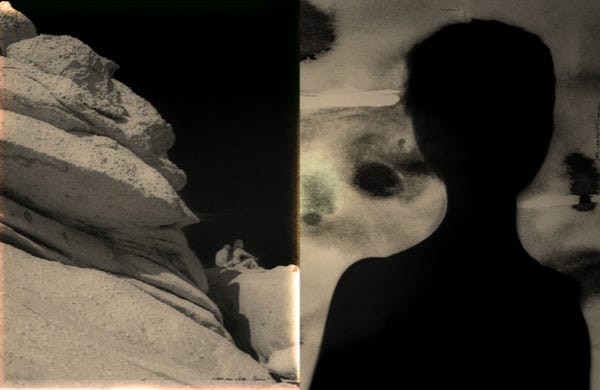
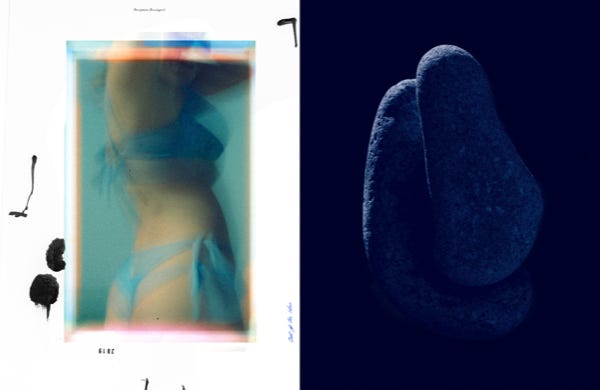
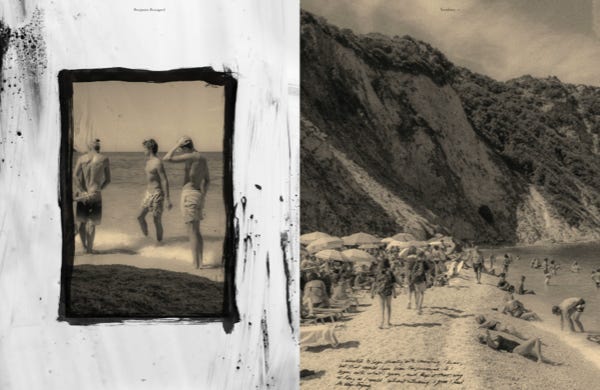
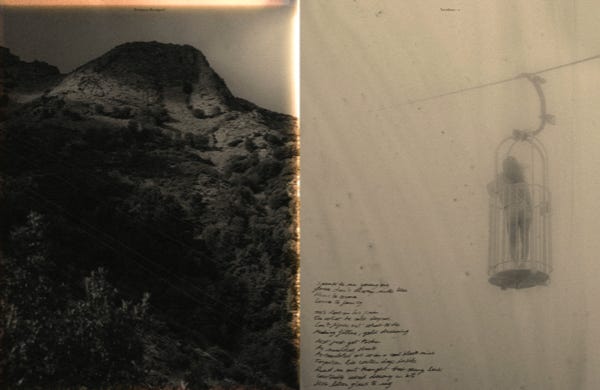
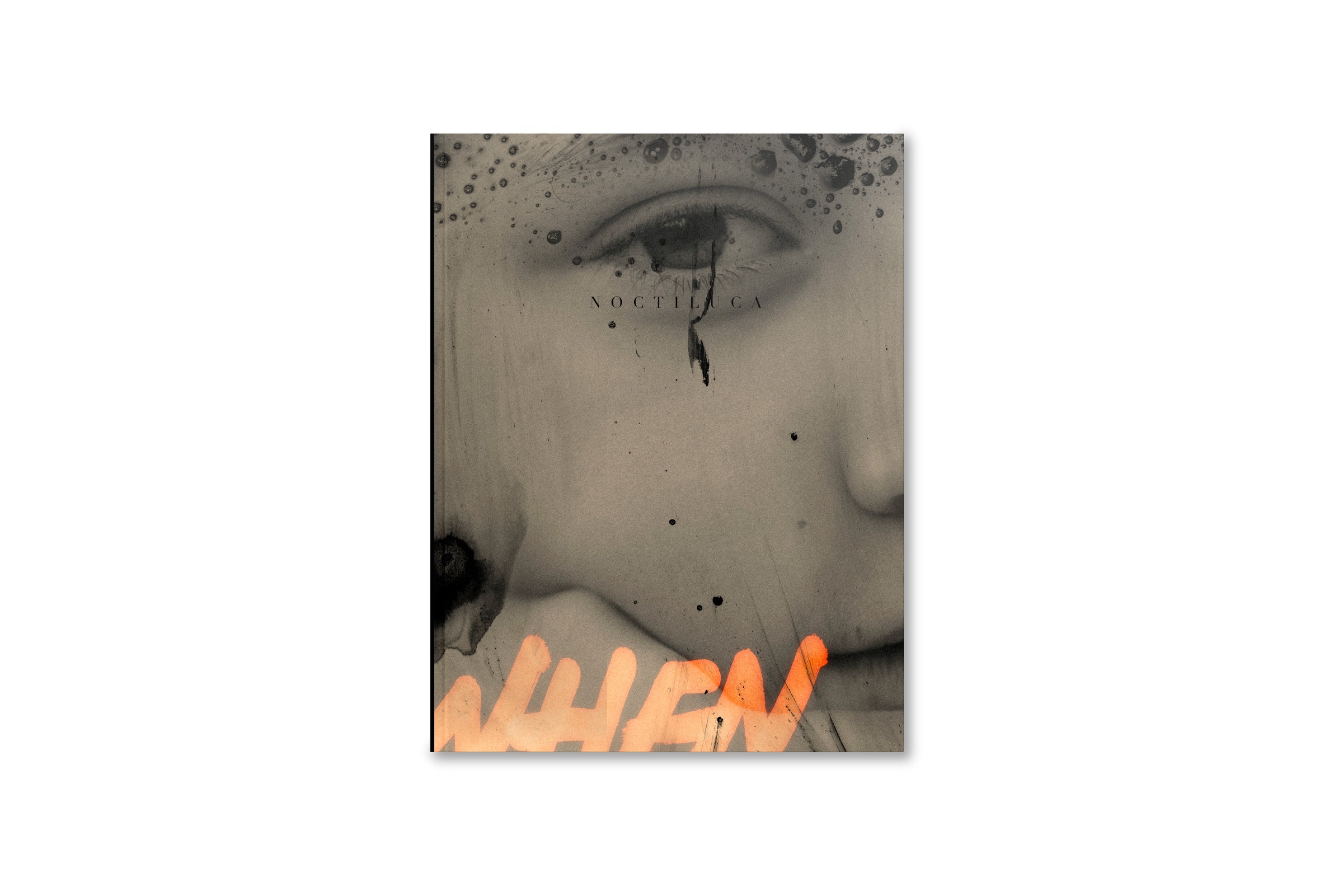
Noctiluca operates as a field of intersecting forces, where body, environment, and creation coexist in tension. Each image is a node in a system of pressures — physical, cognitive, and historical — whose effects are perceptible yet resistant to full comprehension.
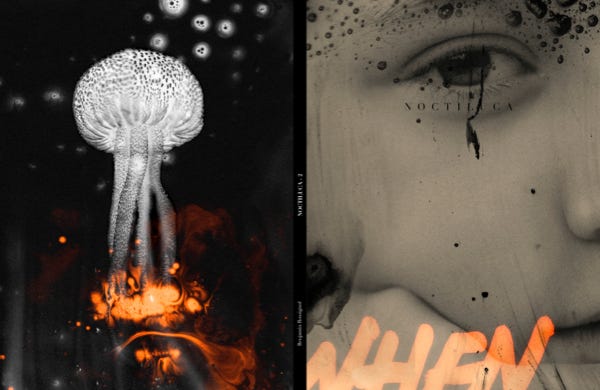
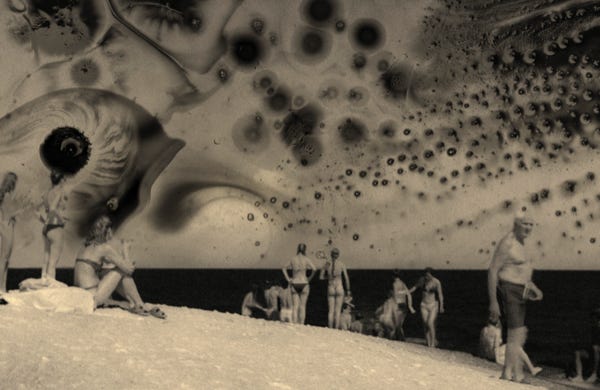
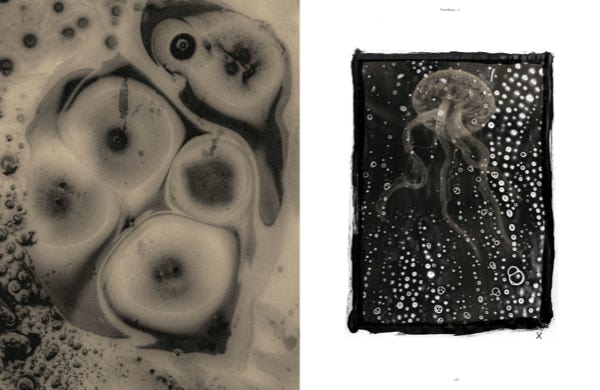
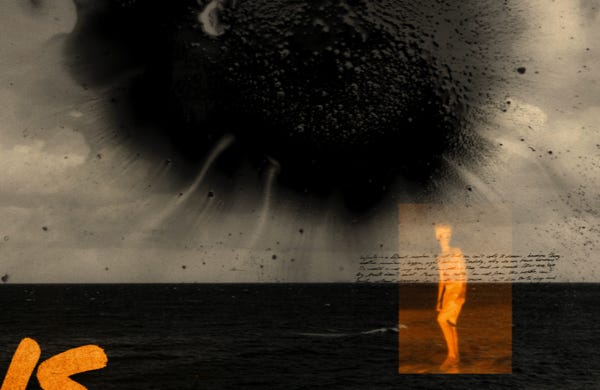
The body itself mediates this field. Persistent pain, a hernia that dictates movement, shapes gestures of capture and layering; it modulates attention, posture, and endurance, embedding the work in a subtle physiology of resistance. The Pellagia noctiluca appears intermittently, not as spectacle but as intrusion, its sting marking presence, reminding of the latent dangers that circulate alongside beauty.
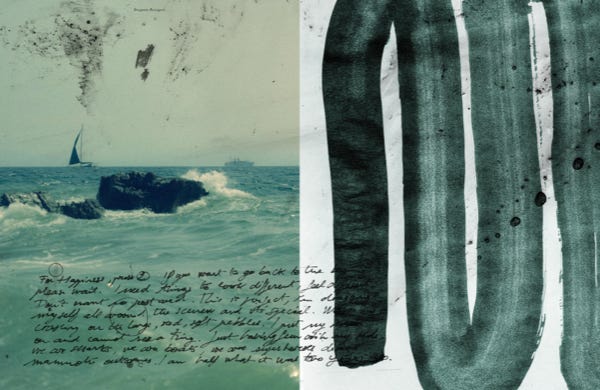
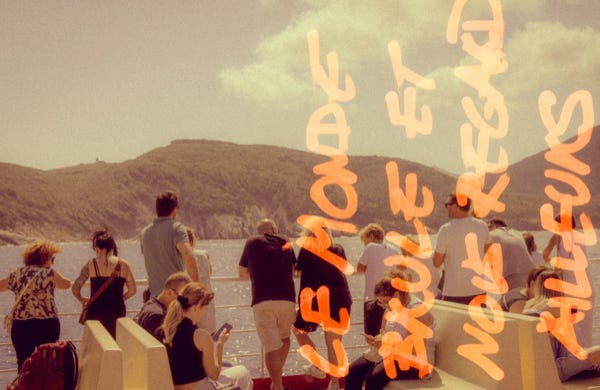
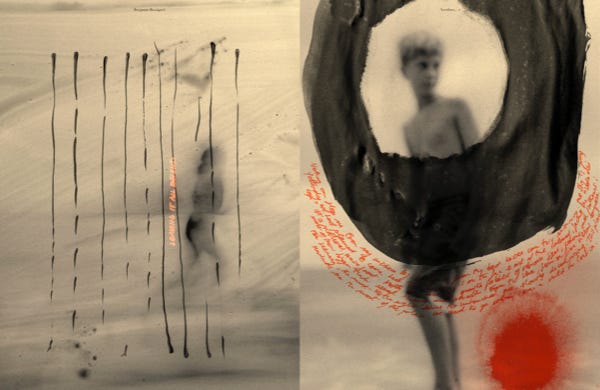
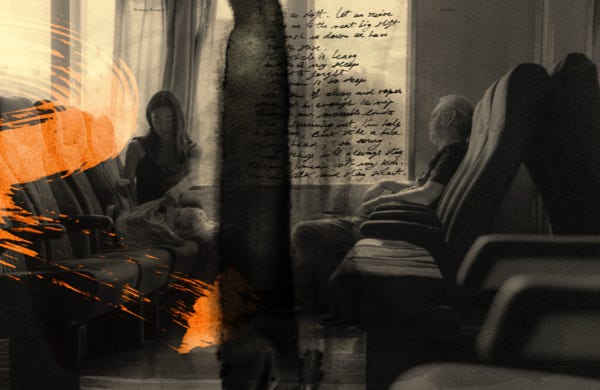
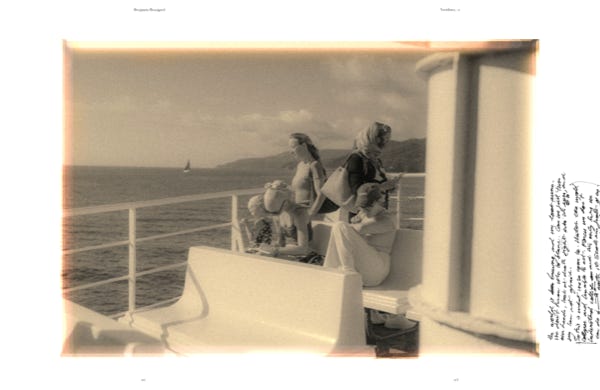
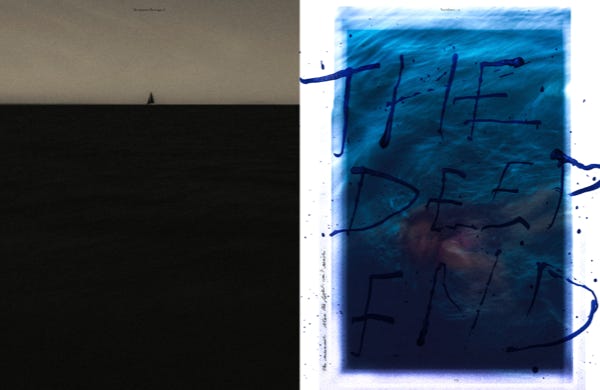
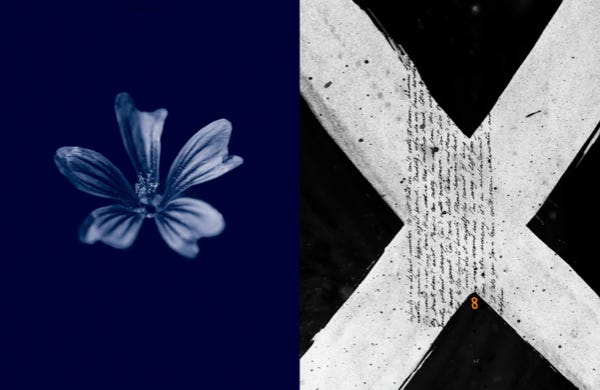
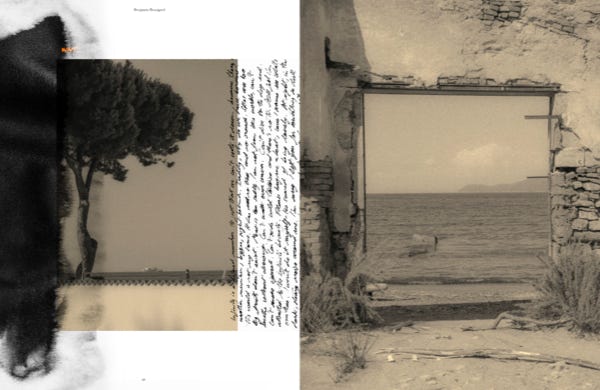
Textual fragments are not overlays but matter fused with the image, compressed, partially erased, sometimes illegible — linguistic residues of a dialogue that never fully occurs. Ink spreads across surfaces like a diffused agent, both revealing and contaminating, producing traces of tension, decay, and persistence.
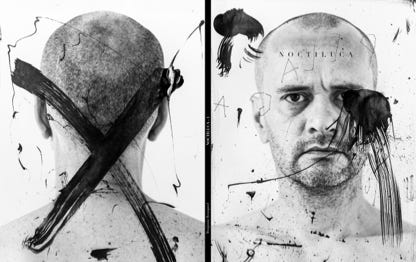
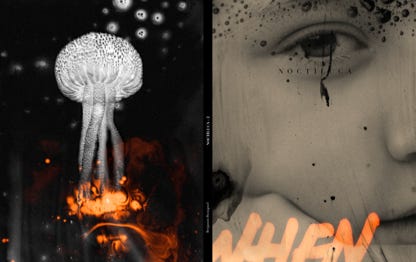
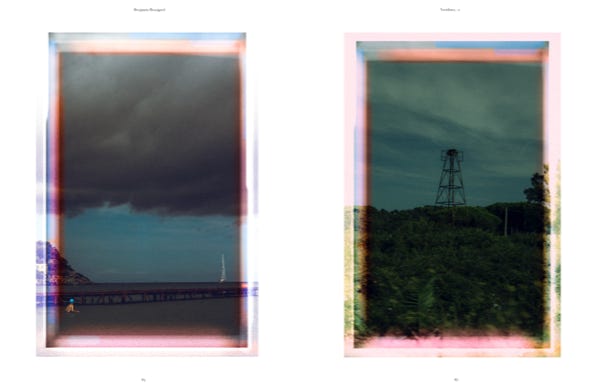
The sea functions as a cognitive horizon, a dense archive of invisible collisions: currents, affects, historical weight, and bodily limitation accumulate, shaping perception and temporal understanding. Time itself is destabilized; filters and manipulations produce ambiguity, oscillating between memory and immediacy, past and present.
Within these layers, the work registers thresholds — of endurance, perception, and attention — where danger, fragility, and agency coexist. Noctiluca is neither illustrative nor consolatory; it is an analytical meditation on the conditions of seeing, moving, and persisting in a field where beauty and pain, control and contingency, are inseparably entwined.